
Best 8 Step SEO Process for Boosting Website Visibility
Introduction
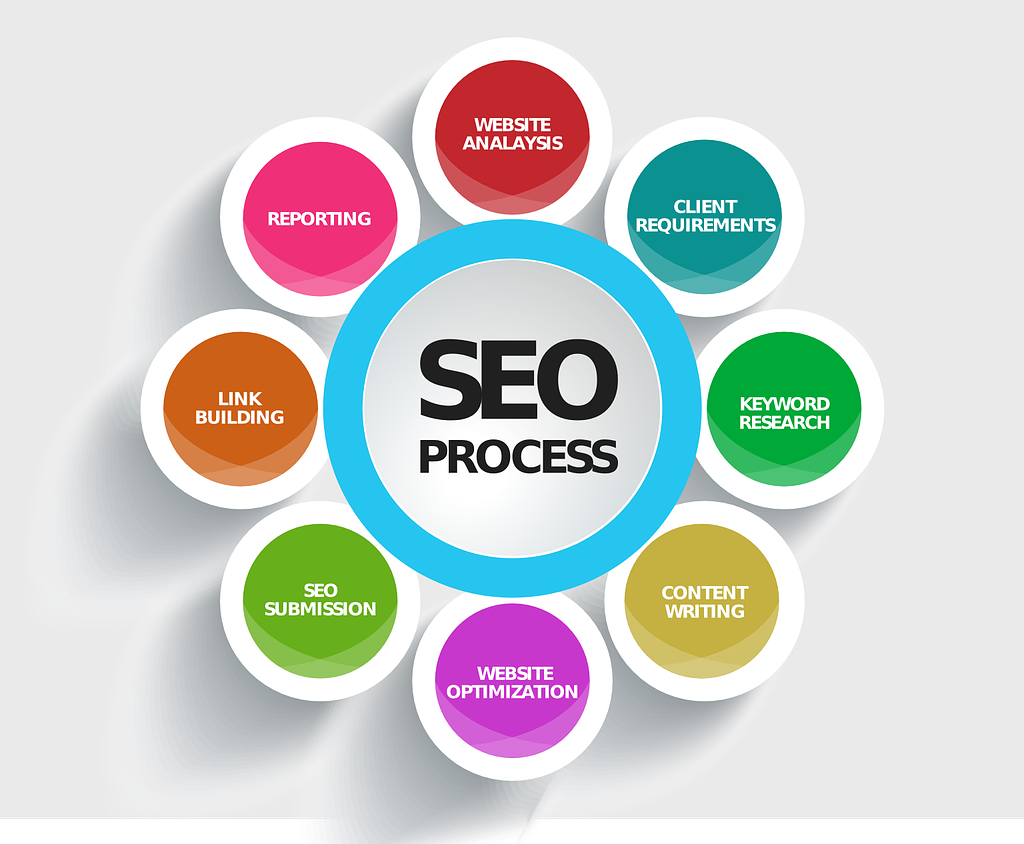
In the vast online world, where millions of websites compete for attention, having a strong online presence is vital for success. SEO plays a crucial role in driving organic traffic and as well as improving website visibility . However, to achieve optimal results, following a systematic approach is essential. In this blog post, we will walk you through the actionable 8 step process that will help boost your website’s visibility and propel it towards success.
In this digital era, a strong online presence is indispensable. We must know that Search Engine Optimization is the most important key to unlocking more website traffic. With ever-changing search algorithms, navigating the Search Engine Optimizationlandscape can be tough. This guide will walk you through proven SEO strategies to skyrocket your website’s visibility. Whether you’re a seasoned marketer or just starting, discover the steps to dominate search engine results and achieve your online goals.
Table of Contents of 8 Step Process
Understanding the Basics of Search Engine Optimization
Before diving into the 8 step SEO process, it is essential to grasp the basics of search engine optimization. it make a reference to the practice of optimizing your website to enhance and rank higher in search engine results pages (SERPs). It involves various techniques and strategies aimed at improving visibility, driving organic traffic, and enhancing user experience. To lay a strong foundation for your 8 step SEO process journey, two fundamental aspects must be considered – keyword research and on-page and off-page SEO or optimization.
Keyword research:
Keyword research allows you to identify and target the right keywords for your website. By understanding the search intent behind different queries, you can create relevant content that resonates with your target audience. Utilizing keyword research tools and analyzing competition will provide valuable insights and enable you to stay ahead of the game. Additionally, incorporating long-tail keywords – specific, low-competition phrases – enhances your targeting and increases the chances of ranking higher in SERPs.
On-page optimization involves optimizing various elements on your website to ensure search engines understand and value your content. It is the most important factor of the 8 Step SEO process for Boosting Website Visibility. Craft compelling titles, meta titles and descriptions that attract users to click through. Structure your website with clear headings and proper URL structure, making it easy for search engines to crawl and index your pages. Also, optimize images by compressing them, using descriptive alt tags, and implementing internal linking to improve website navigation.

What is Boosting Website Visibility?
This is pivotal in driving visitors to a website, as more prominence and better discoverability of a website mean driving success. There are many strategies at play in boosting website visibility.
Search Engine Optimization (SEO):
Search Engine Optimization (SEO) occupies center stage in the most central way. On-page SEO deals with the optimization of the pages individually associated with keyword use, meta tags, and quality content. Off-page SEO refers to external activities such as building backlinks. Technical SEO will ensure that the website is optimally functioning with the search engines.
Content marketing is a strategy of developing valuable content that can attract and retain audiences. These will include blog posts, articles, and other forms of visual content speaking to the interests of their target audiences. Social media marketing uses platforms to engage with audiences and drive traffic.
Paid advertising
Paid advertising—Google Ads, social media ads—allow maximum coverage in an extremely short period of time with targeted campaigns. Email marketing will create relationships with an already existing audience, drawing them to come back.
For any business targeting local customers, local search engine optimization can never be avoided. This includes creating a Google My Business profile and local keywords. The importance of a strong UX cannot be overstated; it retains users and reduces bounce rates.
Run regular analytics to understand how your website is performing, knowing how you’re supposed to make data-driven improvements. Partner with influencers and collaborators to help extend your reach and get in front of new audiences.
Such strategies can do a lot to enhance visibility, attract visitors to a website, and probably help in achieving set goals when effectively combined.
Step 1: Conduct Keyword Research Effectively for SEO
The first step towards boosting website visibility is conducting keyword research effectively. Choosing the right keywords is crucial to attract your target audience and drive qualified traffic. Start by identifying the primary keywords relevant to your industry or niche. Keyword research tools like Google Keyword Planner, SEMrush, or Moz Keyword Explorer can provide valuable insights into search volume, competition, and related keywords. Keyword reaserch is the most important thing to do before start writing a blog. Analyzing the competition is equally important, as it helps identify gaps and opportunities. Any content writer should Look for keywords that have high search volume and low competition. These long-tail keywords allow you to target specific user queries, making it easier to rank higher in SERPs.
Keyword research is the cornerstone of successful content optimization. By understanding the words and phrases people use to find information online, you can create content that not only ranks higher in search engine results but also resonates with your target audience.
Here’s how to conduct effective keyword research:
- Know Your Audience: Clearly define your target audience and their interests. What topics and themes are they passionate about?
- Brainstorm Relevant Keywords: Start by listing words and phrases related to your content. Think both broad and specific terms.
- Leverage Keyword Research Tools: Utilize platforms like Google Keyword Planner, Ahrefs, SEMrush, or Moz to discover popular keywords, search volume, and competition.
- Analyze Keyword Metrics: Prioritize keywords with good search volume and manageable competition. Ensure they align with your content’s focus.
- Uncover Long-Tail Keywords: Target specific, longer phrases with lower competition but higher conversion potential.
- Spy on Competitors: Analyze your competitors’ keywords to identify opportunities and gaps in the market.
- Understand Search Intent: Determine what people are looking for when they search a specific keyword. Tailor your content accordingly.
- Strategic Keyword Placement: Incorporate your chosen keywords naturally into your content’s title, headings, and body text.
By following these steps and consistently creating high-quality, keyword-optimized content, you’ll improve your website’s visibility and attract more organic traffic.
Would you like to delve deeper into a specific step or learn about keyword optimization best practices?
Step 2: Optimize On-Page SEO Elements
Once you have identified the right keywords, it’s time to optimize your on-page elements. Crafting compelling meta titles and descriptions that include your target keywords not only helps search engines understand your content but also entices users to click through to your website.
On-page SEO depends on structuring your website with clear headings (H1, H2, H3, etc.) ensures that search engines can easily navigate and index your content. Moreover, an organized URL structure that incorporates relevant keywords enhances the visibility and context of your web pages.
Don’t forget to optimize your images. Compress them to reduce their file size without compromising quality, add descriptive alt tags to help search engines understand the content of the images, and implement internal linking to connect relevant pages within your website.
Step 3: Develop High-Quality, Engaging Content
This is another important step amoung the 8 Step SEO process. High-quality and engaging content forms the backbone of any successful SEO strategy. Create unique and relevant content that provides value to your target audience. Conduct thorough research to ensure the information you provide is accurate and up-to-date.
To advance a content strategy that put in order with your target keywords and audience. Consistency is key, so aim to publish fresh, informative content regularly. As you craft your content, consider incorporating multimedia elements such as images, videos, or infographics. These elements enhance user engagement, making your content more shareable and link-worthy.
Step 4: Build High-Quality Backlinks
Backlinks are a vital component amoung the 8 step process for boosting website visibility, as they signal to search engines that your website is trustworthy and authoritative. However, not all backlinks are created equal. It’s crucial to differentiate between high-quality and low-quality backlinks.
High-quality backlinks come from reliable or trustworthy websites that are relevant to your subject or niche. Aim to build backlinks through guest blogging on reputable websites, reaching out to influencers for collaborations, and promoting your content through various channels. Additionally, engaging in social sharing and encouraging others to share your content can also help attract high-quality backlinks.
High-quality backlinks are crucial for boosting website authority and SEO. Here’s how to find them:
1. Guest Posting: Publish guest articles on relevant, reputable blogs with high domain authority (DA). Platforms like Medium (for brand building and traffic), HubSpot Blog (marketing/sales), Moz (SEO/digital marketing), and Business2Community (business/tech) offer opportunities.
2. Industry Forums & Communities: Share your expertise and link back to relevant content in relevant forums like Quora, Reddit (subreddits), and Stack Exchange.
3. Content Aggregation Sites: Submit your content to platforms like Slideshare (presentations), Scoop.it (curation), and AllTop (blog listing) to gain backlinks.
4. Local Directories: Local businesses can leverage directories like Yelp, Google My Business, Bing Places, Yellow Pages for local SEO and backlinks.
5. Press Releases: Distribute press releases via PR Newswire, Business Wire, or GlobeNewswire to potentially earn backlinks from news sites.
6. Educational & Government Websites: Backlinks from .edu and .gov sites are highly valuable. Offer industry-related scholarships to universities or create resources for educational/governmental institutions.
7. Resource Pages: Use tools like Ahrefs’ Backlink Checker to find websites with relevant resource pages. Reach out to websites like Backlinko (SEO resources) to request inclusion with your high-quality content.
8. Blog Commenting (Bonus): While less impactful, leave thoughtful comments on relevant blogs, adding value to discussions and potentially fostering relationships that lead to backlinks.
Remember, high-quality content naturally attracts backlinks. Avoid spammy tactics that can harm your website’s reputation and SEO.
Step 5: Improve Website Loading Speed
Website loading speed is an unavoidable factor and directly influences user experience and SEO. Slow-loading websites frustrate users and discourage them from exploring further. To optimize your website’s loading speed, start by optimizing your images. Compress them without compromising quality to reduce their file size.
Minimizing the number of HTTP requests by combining or minifying your CSS and JavaScript files also improves loading speed. Additionally, consider utilizing caching and Content Delivery Networks (CDNs) to deliver your content faster to users around the world.
Step 6: Enhance Mobile Responsiveness
Mobile optimization is no longer optional – it’s a necessity and very important factor among the 8 SEO steps. With the growing number of mobile users, it has become essential to develop search engines prioritize mobile-friendly websites. To enhance mobile responsiveness, implement responsive design principles, allowing your website to adapt seamlessly to different screen sizes.
Conduct mobile usability tests to ensure your website functions smoothly on mobile devices. Optimizing for mobile search involves factors like font size, button spacing, and mobile-friendly navigation. By prioritizing mobile responsiveness, you will not only improve the user experience but also boost your website’s visibility in mobile search results.
Step 7: Leverage Social Media for SEO
The relationship between social media and SEO cannot be ignored, it is 7th step among the 8 step SEO process for boosting website visibility. Social media platforms offer immense opportunities to expand your website’s visibility and attract organic traffic. By effectively utilizing social media, you can increase brand exposure, engage with your audience, and drive traffic to your website.
Share your content on relevant social media platforms, encouraging others to share and engage with it. Building a strong social media presence enhances brand credibility and can indirectly contribute to gaining high-quality backlinks. Moreover, social signals – mentions, shares, likes, and comments – also indicate to search engines that your website is valued by users.
Social Media’s Impact on SEO
Even though it is not a direct ranking factor, social media significantly influences search engine optimization. Sharing content on platforms like Facebook, Twitter, and Instagram boosts visibility, driving traffic to your website. This increased traffic signals search engines that your content is relevant and engaging.
A strong social media presence enhances brand awareness and authority, factors search engines consider. Social media posts can be indexed, expanding your content’s reach. Though social media links are typically “nofollow,” they can indirectly lead to valuable backlinks from other websites.
High engagement on social media can indirectly influence SEO, indicating content relevance to users. For local businesses, social media enhances local SEO through increased engagement and reviews. Sharing visually rich content on social media attracts a wider audience and encourages website visits.
Building relationships with influencers and customers through social media can lead to increased mentions, shares, and backlinks. Encouraging user-generated content and reviews improves online presence and reputation.
By effectively integrating social media into your overall digital marketing strategy, you can significantly enhance your website’s visibility, authority, and SEO performance.
Step 8: Monitor, Analyze, and Adapt
Regular monitoring and analysis are crucial to measure the effectiveness of your SEO efforts. Utilize tools like Google Analytics and other Search Engine Optimization tools to gain insights into user behavior, organic traffic, and keyword performance. Identify what’s working and what needs improvement.
Make data-driven decisions and continuously adapt your strategies to stay ahead of the competition. SEO is an ever-evolving field, and it’s essential to keep up with the latest trends and algorithm changes. By monitoring, analyzing, and adapting, you can ensure that your website remains visible and competitive in the online landscape.
Summary
Boosting your website’s visibility requires a holistic approach encompassing the 8 SEO steps discussed. By understanding the importance of keyword research, on-page optimization, high-quality content, backlinks, loading speed, mobile responsiveness, and leveraging social media, you can significantly enhance your website’s visibility.
We should keep in mind that, Search Engine Optimization is not a one-time task. It requires consistent effort, monitoring, and adaptation to thrive in the dynamic digital ecosystem. So, take action today and implement these strategies to unlock the true potential of your website and improve its visibility.
FAQs
Why is keyword research important for Search Engine Optimization?
Keyword research helps identify the right keywords to optimize your website’s content, attracting relevant organic traffic and increasing your chances of ranking higher in search engine results.
How can I identify high-quality backlinks for my website?
High-quality backlinks come from authoritative websites in your industry or niche. Guest blogging, influencer outreach, and content promotion are effective methods to build high-quality backlinks.
What are the key elements to consider for mobile responsiveness in Search Engine Optimization?
To enhance mobile responsiveness, focus on implementing responsive design principles, conducting mobile usability tests, and optimizing factors like font size, button spacing, and mobile-friendly navigation.
What is Black hat SEO and White hat SEO?
Black hat SEO refers to manipulative and unethical practices used to improve search engine ranking of a website. These techniques violate search engine guidelines and can result in penalties or bans from search engines. While black hat SEO may sometimes produce quick results, but it is risky and most of the time unsustainable in the long run.
White hat SEO assigns to legitimate and ethical practices that align with the search engine guidelines to improve websites ranking and visibility . These techniques focus on building site’s authority naturally and also providing value to users. It emphasizes sustainability, quality, and user experience, white hat SEO is a long-term strategy.
Using black hat SEO techniques can result in severe penalties from search engines, such as being de-indexed or significantly lowered in rankings. This can lead to a loss of traffic, credibility, and revenue. White hat SEO, on the other hand, builds sustainable and long-term growth, fostering trust and authority with both users and search engines.
For ethical, sustainable growth and to avoid the risk of penalties, it’s recommended to adhere to white hat SEO practices and focus on delivering genuine value to users.
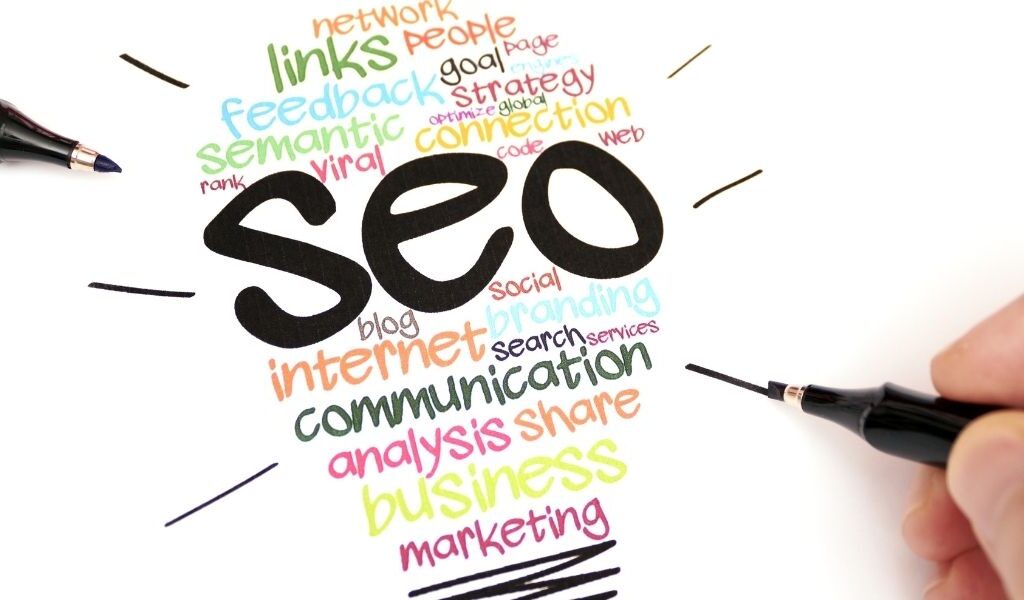
Search Engine Optimization is a strategic blend of on-page and off-page tactics. Optimize your website for keywords, create high-quality content, and prioritize user experience. Build strong backlinks, engage on social media, and manage your online reputation to boost visibility. Remember, SEO is an ongoing process that requires adaptation to evolving search trends. The ultimate goal is to attract and retain customers through a strong online presence. Search Engine Optimization is about more than rankings. It’s about creating exceptional user experiences. To succeed, adapt to evolving search trends and maintain consistency. SEO drives conversions and builds a sustainable online presence. By attracting and engaging visitors, you can turn them into loyal customers.
Now you have the knowledge and tools to boost your website’s visibility. Take action, follow the these steps, and watch your website climb the search engine rankings. Your online success awaits!