Boost your website with 8 SEO Steps

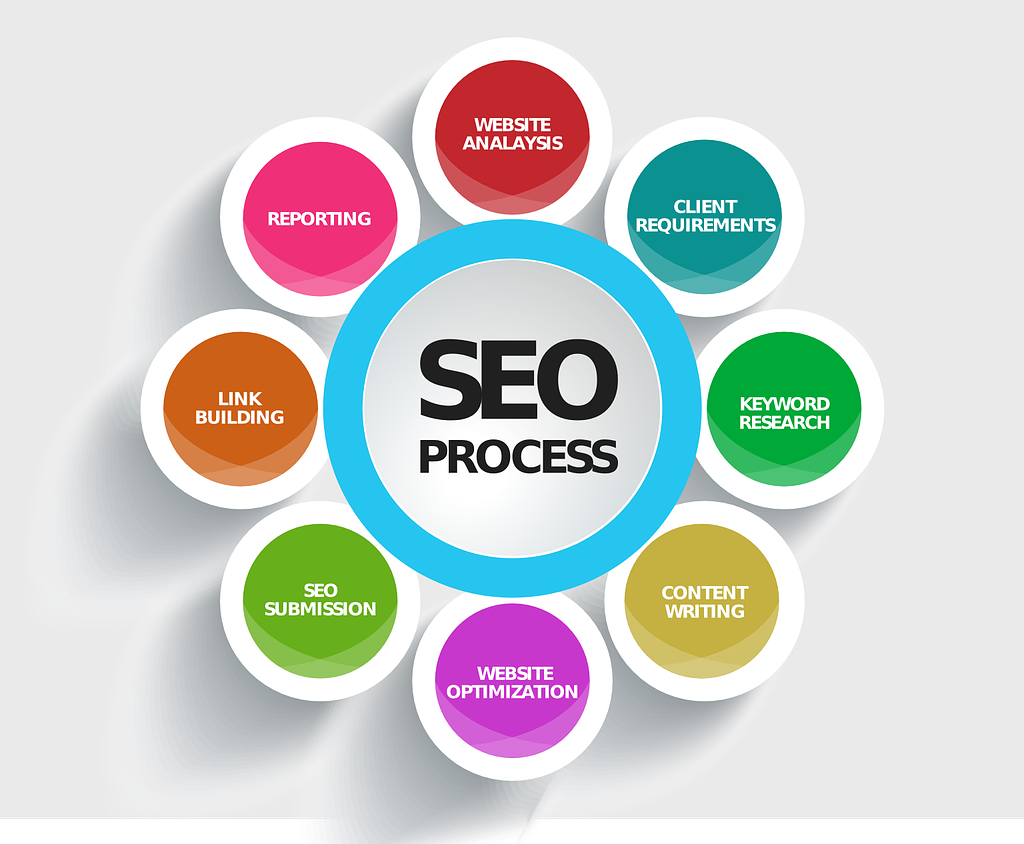
Best 8 Step SEO Process for Boosting Website Visibility

Best 8 Step SEO Process for Boosting Website Visibility

Introduction

In the vast online world, where millions of websites compete for attention, having a strong online presence is vital for success. SEO plays a crucial role in driving organic traffic and as well as improving website visibility . However, to achieve optimal results, following a systematic approach is essential. In this blog post, we will walk you through the actionable 8 step process that will help boost your website’s visibility and propel it towards success.

In this digital era, a strong online presence is indispensable. We must know that Search Engine Optimization is the most important key to unlocking more website traffic. With ever-changing search algorithms, navigating the Search Engine Optimizationlandscape can be tough. This guide will walk you through proven SEO strategies to skyrocket your website’s visibility. Whether you’re a seasoned marketer or just starting, discover the steps to dominate search engine results and achieve your online goals.

Understanding the Basics of Search Engine Optimization

Before diving into the 8 step SEO process, it is essential to grasp the basics of search engine optimization. it make a reference to the practice of optimizing your website to enhance and rank higher in search engine results pages (SERPs). It involves various techniques and strategies aimed at improving visibility, driving organic traffic, and enhancing user experience. To lay a strong foundation for your 8 step SEO process journey, two fundamental aspects must be considered – keyword research and on-page and off-page SEO or optimization.

Keyword research:

Keyword research allows you to identify and target the right keywords for your website. By understanding the search intent behind different queries, you can create relevant content that resonates with your target audience. Utilizing keyword research tools and analyzing competition will provide valuable insights and enable you to stay ahead of the game. Additionally, incorporating long-tail keywords – specific, low-competition phrases – enhances your targeting and increases the chances of ranking higher in SERPs.

On-page optimization involves optimizing various elements on your website to ensure search engines understand and value your content. It is the most important factor of the 8 Step SEO process for Boosting Website Visibility. Craft compelling titles, meta titles and descriptions that attract users to click through. Structure your website with clear headings and proper URL structure, making it easy for search engines to crawl and index your pages. Also, optimize images by compressing them, using descriptive alt tags, and implementing internal linking to improve website navigation.

Boost your website with 8 SEO Steps

What is Boosting Website Visibility?

This is pivotal in driving visitors to a website, as more prominence and better discoverability of a website mean driving success. There are many strategies at play in boosting website visibility.

Search Engine Optimization (SEO):

Search Engine Optimization (SEO) occupies center stage in the most central way. On-page SEO deals with the optimization of the pages individually associated with keyword use, meta tags, and quality content. Off-page SEO refers to external activities such as building backlinks. Technical SEO will ensure that the website is optimally functioning with the search engines.

Content marketing is a strategy of developing valuable content that can attract and retain audiences. These will include blog posts, articles, and other forms of visual content speaking to the interests of their target audiences. Social media marketing uses platforms to engage with audiences and drive traffic.

Paid advertising—Google Ads, social media ads—allow maximum coverage in an extremely short period of time with targeted campaigns. Email marketing will create relationships with an already existing audience, drawing them to come back.

For any business targeting local customers, local search engine optimization can never be avoided. This includes creating a Google My Business profile and local keywords. The importance of a strong UX cannot be overstated; it retains users and reduces bounce rates.

Run regular analytics to understand how your website is performing, knowing how you’re supposed to make data-driven improvements. Partner with influencers and collaborators to help extend your reach and get in front of new audiences.

Such strategies can do a lot to enhance visibility, attract visitors to a website, and probably help in achieving set goals when effectively combined.

Step 1: Conduct Keyword Research Effectively for SEO

The first step towards boosting website visibility is conducting keyword research effectively. Choosing the right keywords is crucial to attract your target audience and drive qualified traffic. Start by identifying the primary keywords relevant to your industry or niche. Keyword research tools like Google Keyword Planner, SEMrush, or Moz Keyword Explorer can provide valuable insights into search volume, competition, and related keywords. Keyword reaserch is the most important thing to do before start writing a blog. Analyzing the competition is equally important, as it helps identify gaps and opportunities. Any content writer should Look for keywords that have high search volume and low competition. These long-tail keywords allow you to target specific user queries, making it easier to rank higher in SERPs.

Keyword research is the cornerstone of successful content optimization. By understanding the words and phrases people use to find information online, you can create content that not only ranks higher in search engine results but also resonates with your target audience.

Here’s how to conduct effective keyword research:

  1. Know Your Audience: Clearly define your target audience and their interests. What topics and themes are they passionate about?
  2. Brainstorm Relevant Keywords: Start by listing words and phrases related to your content. Think both broad and specific terms.
  3. Leverage Keyword Research Tools: Utilize platforms like Google Keyword Planner, Ahrefs, SEMrush, or Moz to discover popular keywords, search volume, and competition.
  4. Analyze Keyword Metrics: Prioritize keywords with good search volume and manageable competition. Ensure they align with your content’s focus.
  5. Uncover Long-Tail Keywords: Target specific, longer phrases with lower competition but higher conversion potential.
  6. Spy on Competitors: Analyze your competitors’ keywords to identify opportunities and gaps in the market.
  7. Understand Search Intent: Determine what people are looking for when they search a specific keyword. Tailor your content accordingly.
  8. Strategic Keyword Placement: Incorporate your chosen keywords naturally into your content’s title, headings, and body text.

By following these steps and consistently creating high-quality, keyword-optimized content, you’ll improve your website’s visibility and attract more organic traffic.

Would you like to delve deeper into a specific step or learn about keyword optimization best practices?

Step 2: Optimize On-Page SEO Elements

Once you have identified the right keywords, it’s time to optimize your on-page elements. Crafting compelling meta titles and descriptions that include your target keywords not only helps search engines understand your content but also entices users to click through to your website.

On-page SEO depends on structuring your website with clear headings (H1, H2, H3, etc.) ensures that search engines can easily navigate and index your content. Moreover, an organized URL structure that incorporates relevant keywords enhances the visibility and context of your web pages.

Don’t forget to optimize your images. Compress them to reduce their file size without compromising quality, add descriptive alt tags to help search engines understand the content of the images, and implement internal linking to connect relevant pages within your website.

Step 3: Develop High-Quality, Engaging Content

This is another important step amoung the 8 Step SEO process. High-quality and engaging content forms the backbone of any successful SEO strategy. Create unique and relevant content that provides value to your target audience. Conduct thorough research to ensure the information you provide is accurate and up-to-date.

To advance a content strategy that put in order with your target keywords and audience. Consistency is key, so aim to publish fresh, informative content regularly. As you craft your content, consider incorporating multimedia elements such as images, videos, or infographics. These elements enhance user engagement, making your content more shareable and link-worthy.

Backlinks are a vital component amoung the 8 step process for boosting website visibility, as they signal to search engines that your website is trustworthy and authoritative. However, not all backlinks are created equal. It’s crucial to differentiate between high-quality and low-quality backlinks.

High-quality backlinks come from reliable or trustworthy websites that are relevant to your subject or niche. Aim to build backlinks through guest blogging on reputable websites, reaching out to influencers for collaborations, and promoting your content through various channels. Additionally, engaging in social sharing and encouraging others to share your content can also help attract high-quality backlinks.

High-quality backlinks are crucial for boosting website authority and SEO. Here’s how to find them:

1. Guest Posting: Publish guest articles on relevant, reputable blogs with high domain authority (DA). Platforms like Medium (for brand building and traffic), HubSpot Blog (marketing/sales), Moz (SEO/digital marketing), and Business2Community (business/tech) offer opportunities.

2. Industry Forums & Communities: Share your expertise and link back to relevant content in relevant forums like Quora, Reddit (subreddits), and Stack Exchange.

3. Content Aggregation Sites: Submit your content to platforms like Slideshare (presentations), Scoop.it (curation), and AllTop (blog listing) to gain backlinks.

4. Local Directories: Local businesses can leverage directories like Yelp, Google My Business, Bing Places, Yellow Pages for local SEO and backlinks.

5. Press Releases: Distribute press releases via PR Newswire, Business Wire, or GlobeNewswire to potentially earn backlinks from news sites.

6. Educational & Government Websites: Backlinks from .edu and .gov sites are highly valuable. Offer industry-related scholarships to universities or create resources for educational/governmental institutions.

7. Resource Pages: Use tools like Ahrefs’ Backlink Checker to find websites with relevant resource pages. Reach out to websites like Backlinko (SEO resources) to request inclusion with your high-quality content.

8. Blog Commenting (Bonus): While less impactful, leave thoughtful comments on relevant blogs, adding value to discussions and potentially fostering relationships that lead to backlinks.

Remember, high-quality content naturally attracts backlinks. Avoid spammy tactics that can harm your website’s reputation and SEO.

Step 5: Improve Website Loading Speed

Website loading speed is an unavoidable factor and directly influences user experience and SEO. Slow-loading websites frustrate users and discourage them from exploring further. To optimize your website’s loading speed, start by optimizing your images. Compress them without compromising quality to reduce their file size.

Minimizing the number of HTTP requests by combining or minifying your CSS and JavaScript files also improves loading speed. Additionally, consider utilizing caching and Content Delivery Networks (CDNs) to deliver your content faster to users around the world.

Step 6: Enhance Mobile Responsiveness

Mobile optimization is no longer optional – it’s a necessity and very important factor among the 8 SEO steps. With the growing number of mobile users, it has become essential to develop search engines prioritize mobile-friendly websites. To enhance mobile responsiveness, implement responsive design principles, allowing your website to adapt seamlessly to different screen sizes.

Conduct mobile usability tests to ensure your website functions smoothly on mobile devices. Optimizing for mobile search involves factors like font size, button spacing, and mobile-friendly navigation. By prioritizing mobile responsiveness, you will not only improve the user experience but also boost your website’s visibility in mobile search results.

Step 7: Leverage Social Media for SEO

The relationship between social media and SEO cannot be ignored, it is 7th step among the 8 step SEO process for boosting website visibility. Social media platforms offer immense opportunities to expand your website’s visibility and attract organic traffic. By effectively utilizing social media, you can increase brand exposure, engage with your audience, and drive traffic to your website.

Share your content on relevant social media platforms, encouraging others to share and engage with it. Building a strong social media presence enhances brand credibility and can indirectly contribute to gaining high-quality backlinks. Moreover, social signals – mentions, shares, likes, and comments – also indicate to search engines that your website is valued by users.

Social Media’s Impact on SEO

Even though it is not a direct ranking factor, social media significantly influences search engine optimization. Sharing content on platforms like Facebook, Twitter, and Instagram boosts visibility, driving traffic to your website. This increased traffic signals search engines that your content is relevant and engaging.

A strong social media presence enhances brand awareness and authority, factors search engines consider. Social media posts can be indexed, expanding your content’s reach. Though social media links are typically “nofollow,” they can indirectly lead to valuable backlinks from other websites.

High engagement on social media can indirectly influence SEO, indicating content relevance to users. For local businesses, social media enhances local SEO through increased engagement and reviews. Sharing visually rich content on social media attracts a wider audience and encourages website visits.

Building relationships with influencers and customers through social media can lead to increased mentions, shares, and backlinks. Encouraging user-generated content and reviews improves online presence and reputation.

By effectively integrating social media into your overall digital marketing strategy, you can significantly enhance your website’s visibility, authority, and SEO performance.

Step 8: Monitor, Analyze, and Adapt

Regular monitoring and analysis are crucial to measure the effectiveness of your SEO efforts. Utilize tools like Google Analytics and other Search Engine Optimization tools to gain insights into user behavior, organic traffic, and keyword performance. Identify what’s working and what needs improvement.

Make data-driven decisions and continuously adapt your strategies to stay ahead of the competition. SEO is an ever-evolving field, and it’s essential to keep up with the latest trends and algorithm changes. By monitoring, analyzing, and adapting, you can ensure that your website remains visible and competitive in the online landscape.

Read more about the steps

Summary

Boosting your website’s visibility requires a holistic approach encompassing the 8 SEO steps discussed. By understanding the importance of keyword research, on-page optimization, high-quality content, backlinks, loading speed, mobile responsiveness, and leveraging social media, you can significantly enhance your website’s visibility.

We should keep in mind that, Search Engine Optimization is not a one-time task. It requires consistent effort, monitoring, and adaptation to thrive in the dynamic digital ecosystem. So, take action today and implement these strategies to unlock the true potential of your website and improve its visibility.

FAQs

Why is keyword research important for Search Engine Optimization?

Keyword research helps identify the right keywords to optimize your website’s content, attracting relevant organic traffic and increasing your chances of ranking higher in search engine results.

How can I identify high-quality backlinks for my website?

High-quality backlinks come from authoritative websites in your industry or niche. Guest blogging, influencer outreach, and content promotion are effective methods to build high-quality backlinks.

What are the key elements to consider for mobile responsiveness in Search Engine Optimization?

To enhance mobile responsiveness, focus on implementing responsive design principles, conducting mobile usability tests, and optimizing factors like font size, button spacing, and mobile-friendly navigation.

What is Black hat SEO and White hat SEO?

Black hat SEO refers to manipulative and unethical practices used to improve search engine ranking of a website. These techniques violate search engine guidelines and can result in penalties or bans from search engines. While black hat SEO may sometimes produce quick results, but it is risky and most of the time unsustainable in the long run.

White hat SEO assigns to legitimate and ethical practices that align with the search engine guidelines to improve websites ranking and visibility . These techniques focus on building site’s authority naturally and also providing value to users. It emphasizes sustainability, quality, and user experience, white hat SEO is a long-term strategy.

Using black hat SEO techniques can result in severe penalties from search engines, such as being de-indexed or significantly lowered in rankings. This can lead to a loss of traffic, credibility, and revenue. White hat SEO, on the other hand, builds sustainable and long-term growth, fostering trust and authority with both users and search engines.

For ethical, sustainable growth and to avoid the risk of penalties, it’s recommended to adhere to white hat SEO practices and focus on delivering genuine value to users.
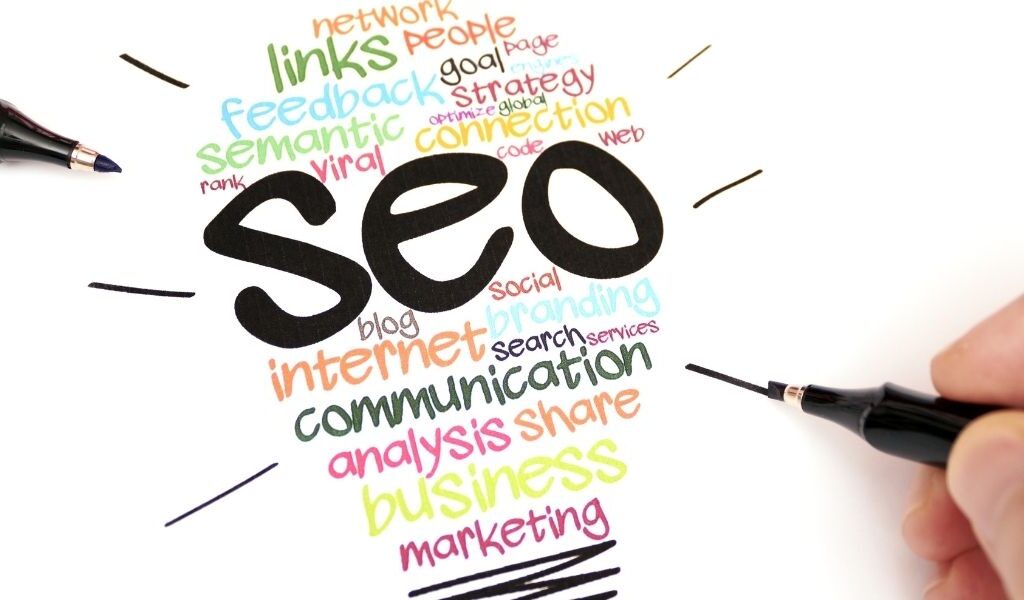
Search Engine Optimization is a strategic blend of on-page and off-page tactics. Optimize your website for keywords, create high-quality content, and prioritize user experience. Build strong backlinks, engage on social media, and manage your online reputation to boost visibility. Remember, SEO is an ongoing process that requires adaptation to evolving search trends. The ultimate goal is to attract and retain customers through a strong online presence. Search Engine Optimization is about more than rankings. It’s about creating exceptional user experiences. To succeed, adapt to evolving search trends and maintain consistency. SEO drives conversions and builds a sustainable online presence. By attracting and engaging visitors, you can turn them into loyal customers.

Now you have the knowledge and tools to boost your website’s visibility. Take action, follow the these steps, and watch your website climb the search engine rankings. Your online success awaits!
Importance of Social Media in digital marketing

Importance of Social Media In Digital Marketing: Impact for Success

Importance of Social Media In Digital Marketing

Table of Contents

An Overview of importance of Social Media in Digital Marketing: :

Social Media: The Cornerstone of Digital Marketing
Social media has revolutionized the landscape of digital marketing.

Understanding its evolution, impact on consumer behavior, and benefits is paramount for business success. From humble beginnings as online social networks, platforms like Facebook, Instagram, Twitter, and TikTok have transformed into potent marketing tools.  

Social media is an integral part of digital marketing strategies, influencing everything from customer engagement and brand awareness to lead generation and website traffic. Its ability to connect businesses with their audience authentically and interactively has made it an indispensable asset in the modern marketing toolkit.  

The subsequent section will delve deeper into the specific ways social media contributes to digital marketing success.

Development of Social Media in Digital Marketing:

Since the early days of Facebook and MySpace, social media has advanced significantly. In the modern digital world, sites for example, Facebook, Instagram, Twitter, Pinterest, TikTok, Quora, YouTube, and LinkedIn are in charge. These kind of platforms have developed into effective marketing tools from simple networking instruments.

Social media is a vital component of digital marketing, influencing numerous aspects of online strategies. It enhances fosters customer engagement, brand awareness, generates leads, drives website and YouTube Channel’s traffic. Here are several key ways in which social media contributes to digital marketing:

  • Customer Engagement
  • Brand Awareness
  • Content Distribution
  • Traffic Generation
  • Lead Generation
  • Customer Feedback and Market Research
  • Targeted Advertising
  • Influencer Marketing
  • SEO Impact
  • Real-Time Communication

Consumer Behaviour and Social Media’s Impact on Digital Marketing 

Social Media’s Impact on Digital Marketing has changed the consumer behabiour. First of all consumer interactions with brands have evolved as a result of social media. On the other hand, social media has become an essential part of digital marketing efforts, with an estimated 4.33 billion users globally. Nowadays, consumers use social media to learn about products, conduct research, and decide which ones to buy. Peer recommendations hold all the power; consumers trust them.

Examining the Advantages Social Media in Digital Marketing

Digital marketing initiatives can reap numerous advantages by using social media. To begin with, social media makes it possible to communicate directly with consumers, which fosters trust and brand loyalty. It has become an affordable means of reaching a large audience and raising brand awareness, too. Finally, social media makes customised advertising possible, giving companies precise access to their potential clients.

Creating Effective Social Media: Crucial Success Steps

“Building an effective social media presence requires careful planning, understanding your target audience, crafting relevant content, and actively listening to consumer needs.”

Using social media for Engaging Audience and Interaction

Knowing and comprehending your target demographic is essential for social media success. Find out their behaviors, interests, and demographics by conducting in-depth market research. This data will guide your advertising and content development activities to ensure your target audience finds them engaging.

Creating engaging and persistent content for social networks

Social media content is king. Your material must be valuable, relevant, and captivating in order to draw in readers. Whether it’s through interesting images, educational articles, or amusing videos, tailor your material to your audience’s interests and preferences. In order to keep your audience stick to a regular posting schedule and interested.

Gaining knowledge of customer needs and preferences through social listening

Social listening involves monitoring and assessing social media interactions to comprehend consumer requirements, interests, and pain points. You can show that your brand actually cares about them and enhance their entire experience by adjusting your marketing strategy in response to what they have to say.

Importance of Social Media

Making the Most of Various Social Media Platforms:

Strategies for Optimal Effects

Social media in digital marketing plays a crucial role in crafting and executing effective strategies that maximize audiance engagement and also brand visibility. This involves understanding the unique and dynamics role of various social media platforms and leveraging their specific features to accomplish marketing goals. A skilled planner begins by conducting thorough market research to analyze competitors as well as identify target audiences . This information conformation the basis for creating customized content that resonates with the audience, whether through compelling narratives with interactive posts and eye-catching visuals.

Moreover, a strategist assure consistent brand messaging across all channels while accommodate content to fit the style and the different tone of each platform. They also utilize advanced tools to understand and analytics to track performance metrics such as reach, engagement rates, and conversions, allowing for continuous improvement of strategies. By identifying audience behaviors, needs and trends they can turn quickly to capitalize on new opportunities.

Getting the Most Out of Facebook:

Facebook continues to be the most popular social media network, with over 2.8 billion monthly active users. By making a company page or shop and use interactive elements like polls and quizzes, interesting posts, and eye-catching images to effectively engage this large audience. Facebook ads give strong targeting capabilities, so that anyone can reach the right people at the right time by segmenting his/her audience.

Using visual storytelling to capture Instagram audiences.

Brands have a special chance to communicate their stories through eye-catching images and videos on Instagram, or we can say, it’s a visually-driven network. To draw in and keep the attention of target audience, it is suggested to use eye-catching images, interesting captions, and relevant hashtags. To increase brand visibility and engagement on the social media platform, brands can work with influencers to compete or giveaways.

Using Twitter to its Full Potential:

Twitter is perfect for trend-riding and real-time communication because of its fast-paced nature. Use popular hashtags, engage in relevant conversations, and post brief updates to maintain an lively presence on Twitter. Additionally, you can target particular demographics or interests with Twitter ads and expand your reach.

Tips and Tricks for Increasing Engagement and Conversions

Boost engagement and conversions on social media by encouraging user interaction, nurturing customer relationships, and harnessing the credibility of influencers.

Promoting User Engagement on Social Media in Digital Marketing:

Connecting with users on social media is essential, and hosting giveaways and contests is an excellent way to achieve this. Encouragement for likes, shares, and comments can generate excitation and anticipation among your followers. Moreover, leveraging user-generated content not only boosts engagement but also expands the brand awareness and reach.

Establishing a Profile for social media in digital marketing: 

Skillfully constructed profiles that increase brand awareness and reach are essential for social media marketing success. Moreover, Creating genuine accounts on several platforms guarantees that your brand’s identity, message, and style stay constant, supporting your overall branding plan. Through conversations, comments, and shared material, these profiles act as direct avenues for interaction with your audience, building a sense of belonging and community. However, along with improving relationships with customers, this exchange offers priceless data on consumer preferences, market trends, and feedback that can help direct future marketing initiatives.

Personalized social media messaging for developing customer relationships:

Interacting personally with your audience can help to strengthen customer relationships. It is necessary to give the Answer of reviews, texts, and comments in a timely and genuine manner. Utilize a customized message to respond to client inquiries, assist, and convey your appreciation for their input. Developing loyalty and trust will result in enduring connections and productive brand promotion.

Using influencer marketing to increase brand recognition and visibility

One may Use influencer marketing to increase brand recognition and visibility in the realm of social media, among them, influencer marketing has grown in strength. Partnering with influencers who share your ideals can enhance your visibility and reputation. Influencers have the power to raise brand recognition and increase conversions by introducing your business to their engaged audience. However, To keep your audience’s trust, make sure your collaborations with influencers are genuine and open.

Metrics and Analytics of Social Media in Digital Marketing :

Measuring social media performance through key performance indicators (KPIs), data analysis, and A/B testing is essential for optimizing your strategies and achieving long-term success.

Monitoring key performance indicators (KPIs) to assess social media in digital marketing achievement

Your social media activities will be more successful if you can identify and monitor pertinent KPIs. Metrics such as reach, conversion rate, engagement rate, and customer feedback provide crucial insights into your audience’s reception of your content. Most importantly, monitor these metrics closely to assess the effectiveness of your tactics and make well-informed decisions.

Finding Opportunities and Improvement Areas through Data Analysis

Analysing data is essential for improving your social media strategy and comprehending your audience. To learn more about the demographics of your audience, the effectiveness of your content, and engagement trends, use the analytics tools that social media networks like Facebook Insights and Twitter Analytics offer. By using these informations to pinpoint areas where need to work and where you can flourish.

Using A/B Testing to Improve Outcomes and Fine-Tune Strategies

In order to compare the effectiveness of your advertisements or content, you must create variations for A/B testing. By experimenting with various headlines, images, or messaging, you may use A/B testing to see which versions perform better. By using an iterative process, you may optimise your plans and promote ongoing development.

In conclusion:

In short, social media has completely changed the landscape of digital marketing by providing previously unheard-of chances for brand expansion, audience interaction, and visibility. Through comprehension of its influence, execution of efficacious tactics, and assessment of outcomes, enterprises might attain prosperity in the digital domain.

In conclusion, social media platforms have changed in ways never seen before, drastically altering the field of digital marketing. Businesses can use social media to their advantage because it can impact customer behaviour and offer a host of advantages. Brands can create an effective social media presence by identifying their target consumers, creating content that is engaging, and leveraging social listening. Therefore businesses can increase their influence by utilising the distinctive qualities of several platforms, like Facebook, Instagram, and Twitter. Importantly, to increase engagement and conversions, it is imperative to foster customer relationships, encourage user involvement, and leverage influencer marketing. However, businesses can optimise their plans for success by utilising A/B testing, data analysis, and KPI measurement.

FAQ:

What typical errors need to be avoided while utilising social media for online advertising?

Avoid common blunders while utilizing social media for digital marketing, such as irregular posting schedules, infrequent follower interactions, irrelevant material, overzealous self-promotion, and disregarding unfavourable comments. It is imperative to maintain a healthy mix between helpful and promotional content, reply to messages and comments right away, and interact with followers.

Is it essential to be active on every social media site, or should I concentrate on a few?

It is not required to be active on every social media network because each one has a distinct target audience and function. Rather, companies ought to concentrate on platforms that complement their target market and advertising objectives. Moreover, find out which platforms your audience utilises most frequently by conducting market research, then focus your efforts on those platforms.

What is the usual timeline for observing observable outcomes from social media marketing initiatives?

First of all, Various factors, including industry, target audience, and the consistency and quality of your strategies, might affect how long it takes to see measurable benefits from your social media marketing efforts. While some companies can experience noticeable development and establish a strong presence right away, others might need to wait many months. In order to attain sustained success, it is imperative to have a realistic outlook and consistently evaluate and refine one’s tactics.

What are some successful strategies for social media follower engagement and brand loyalty?

On social media, businesses can foster user contact by holding freebies and contests. Such as replying to messages and comments in a timely and genuine manner, sharing insightful and pertinent content, and genuinely caring about their customers’ feedback in order to interact with followers and foster brand loyalty. Creating connections and giving customers a satisfying experience can promote brand loyalty and convert followers into brand ambassadors.

How can I make sure my social media marketing initiatives complement my main business objectives?

Knowing your business objectives and how social media can help you achieve them can help you make sure that your social media marketing efforts are in line with your wider business aims. Therefore, Create a social media plan that will help you achieve those objectives as soon as possible. Track and assess your social media stats on a regular basis to gauge how well you’re doing in reaching your goals. Thus Adjust your tactics in light of performance tracking and data analysis.

4 Best Business for 2024 Ideas for Startups

4 Best Business for 2024 Ideas for Startups

4 Best Business for 2024  Ideas for Startups
4 Best Business for 2024 Ideas for Startups

Introduction

4 Best Business for 2024 ideas for startup, we need to focus on various things. In today’s rapidly evolving entrepreneurial landscape, it has become essential for businesses to embrace innovative ideas to stay competitive. As we look forward to 2024, the need for fresh and groundbreaking concepts become even more apparent. This article explores some revolutionary new business ideas that have the potential to reshape our future. Whether it’s through green technology and sustainability, technological disruptions and digital transformation, healthcare and well-being innovations or social entrepreneurship, these ideas aim to transform industries and pave the way for a better tomorrow.

Table of Contents

1. Green Technology and Sustainability

Green Technology and Sustainability
4 Best Business for 2024 Ideas for Startups

A. New Businesses in 2024 with Clean Energy for Shaping a Sustainable Future

i. Transforming Renewable Energy Generation

Any new business endeavour in 2024 should first think about the environment. The future lies in harnessing the power of renewable energy sources such as solar and wind. Innovative startups are pushing the boundaries of clean energy generation by developing advanced solar panels, wind turbines, etc. These technologies aim to increase efficiency, reduce costs, and make renewable energy more accessible to all.

ii. Advancements in Energy Storage Solution

To address the intermittent nature of renewable energy sources, startups in 2024 are focusing on developing cutting-edge energy storage solutions. From advanced batteries to flow cells and hydrogen fuel cells, breakthroughs in energy storage have the potential to revolutionize the way we store and utilize clean energy.

iii. Building Sustainable Transportation System

Startups are reimagining transportation by introducing electric vehicles (EVs) and autonomous driving technologies. These innovations not only reduce carbon emissions but also enhance overall efficiency and convenience. Ride-sharing platforms powered by electric fleets and AI algorithms are paving the way for sustainable and eco-friendly transportation options.

Shaping the Future of Sustainability

B. New Businesses in 2024 – Revolutionizing Waste Management and Recycling

i. Innovative Recycling Technologies

This can be one of the great business ideas in 2024. To combat the global waste crisis, startups are developing innovative recycling technologies that go beyond traditional methods. From advanced sorting systems to chemical recycling and upcycling, these technologies aim to achieve maximum resource recovery and minimize waste sent to landfills.

ii. Creating Circular Economies through Upcycling

New businesses in 2024 are embracing the concept of circular economies by finding creative ways to upcycle waste materials. By repurposing and transforming waste into valuable products, these businesses contribute to both environmental sustainability and economic growth.

iii. Waste-to-Energy Solutions: Turning Trash into Power

To further leverage waste materials, startups in 2024 are exploring waste-to-energy solutions. Technologies like anaerobic digestion and thermochemic conversion processes are capable of converting organic waste into biogas, biofuels, and even electricity. This not only reduces waste accumulation but also provides an alternative and sustainable energy source.

C. New Business in 2024 – Sustainable Agriculture and Food Systems

i. Precision Farming: Aging Technology for Efficient Cultivation

New businesses in 2024 are embracing precision farming techniques including IoT devices, sensors, and drones to optimize agricultural processes. By providing real-time data on soil conditions, crop health and irrigation needs, these technologies enable farmers to make informed and sustainable decisions, leading to increased crop yields and reduced environmental impact.

ii. Alternative Protein Sources: The Rise of Plant-Based and Lab-Grown Meats

As the demand for animal protein continues to rise, startups are revolutionizing the food industry by developing alternative sources for protein. Plant-based meats and lab-grown meats offer sustainable and ethical alternatives that have a significantly lower carbon footprint than traditional animal agriculture.

iii. Reducing Food Waste : Smart Solutions for a Hungry Planet

Startups in 2024 are tackling the global issue of food waste through innovative technologies and business models. From smart food packaging that extends product shelf life to surplus food redistribution platforms, these solutions aim to minimize food waste and ensure a more sustainable and equitable distribution of resources.

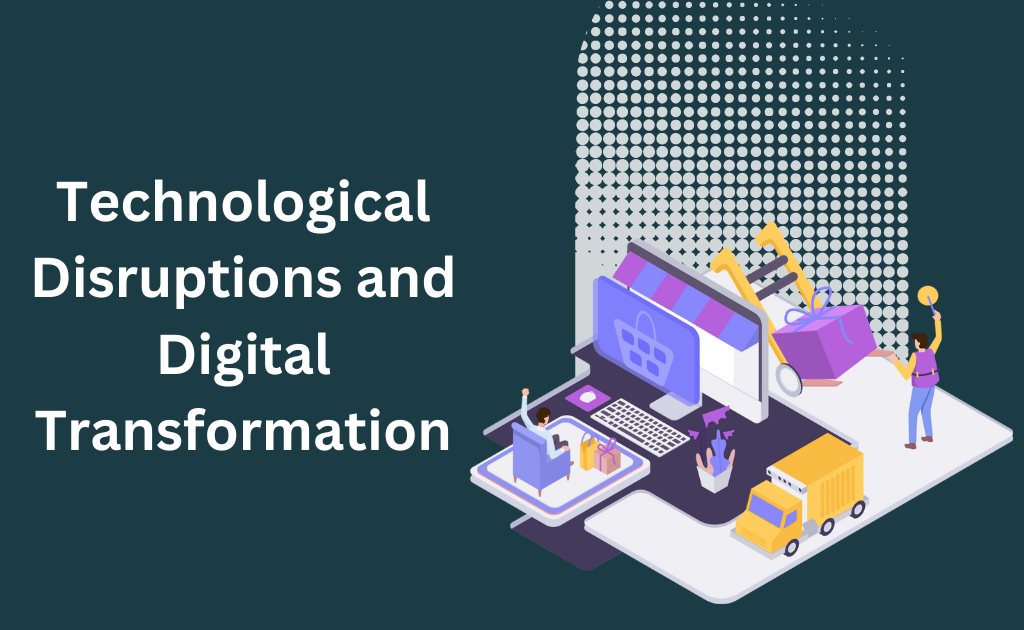
2. Technological Disruptions and Digital Transformation

New Businesses in 2024
Technological Disruptions and Digital Transformation

A. New Businesses in 2024 – Artificial Intelligence and Machine Learning Innovations

i. AI-Driven Personalized Customer Experiences

New business ideas for 2024 are leveraging AI and machine learning algorithms to personalize customer experiences across various industries. From personalized recommendations to chatbots and virtual assistants, these technologies enhance customer satisfaction, streamline operations, and create more engaging interactions.

ii. Automation and Optimization: Boosting Efficiency across Industries

New businesses in 2024 like automation and optimization technologies powered by AI are transforming industries, improving efficiency, and reducing human error. Robotic process automation, predictive maintenance, and intelligent supply chain management systems are just a few examples of how AI is revolutionizing business operations.

iii. Enhancing Cybersecurity with AI-Powered Solutions

As cyber threats become increasingly sophisticated, new business in 2024 are leveraging AI to develop advanced cybersecurity solutions. AI-powered threat detection, predictive analytics, and behavioral analysis tools help businesses stay one step ahead of malicious actors, safeguarding sensitive data and protecting their digital assets.

B. New Businesses in 2024 – Blockchain Technology to Revolutionize Industries

i. Decentralized Finance: Transforming Traditional Banking

Blockchain technology is disrupting the traditional banking industry by enabling decentralized finance (DeFi). Startups are developing blockchain-based platforms that provide secure and transparent financial services eliminating the need for intermediaries and reducing costs.

ii. Strengthening Supply Chain Management

Startup businesses in 2024 are leveraging blockchain’s immutable and transparent nature to optimize supply chain management. By creating end-to-end visibility, trust, and traceability, blockchain-based solutions enable businesses to streamline operations, prevent counterfeiting, and ensure sustainability.

iii. Empowering Digital Identities and Privacy Protection

Blockchain technology has the potential to revolutionize digital identities and privacy protection. Startups are exploring decentralized identity management systems that give individuals full control over their personal data, reducing the risk of data breaches and enhancing privacy.

C. New Businesses in 2024 – Virtual Reality and Augmented Reality Experiences

i. Immersive Gaming and Entertainment

Business ideas for 2024 are pushing the boundaries of gaming and entertainment with immersive virtual reality (VR) and augmented reality (AR) experiences. From lifelike virtual worlds to interactive AR overlays, these technologies offer users a truly immersive and captivating entertainment experience.

ii. Enhancing Education and Training

VR and AR technologies are transforming education and training by providing immersive and interactive learning environments. From virtual field trips to specialized training simulations, startups are revolutionizing the way we learn and acquire new skills.

iii. AR in Retail: Redefining the Shopping Experience

Startups are reinventing the retail experience by integrating AR technologies. Augmented reality try-on tools, interactive product catalogs, and virtual showrooms enable customers to visualize products and make more informed purchasing decisions from the comfort of their homes.

To get more marketing ideas read

3. Healthcare and Well-being Innovations

Virtual Reality and Augmented Reality

A. New Businesses in 2024 – Telemedicine: Expanding Access to Quality Healthcare

i. Remote Consultations and Diagnosis

Startups in 2024 are bridging the gap between patients and healthcare providers through telemedicine platforms. Remote consultations, diagnosis, and monitoring technologies allow individuals to access quality healthcare remotely, improving ease of access to medical services and reducing healthcare costs.

ii. AI-Assisted Diagnostics and Treatment

AI-driven diagnostic tools are transforming healthcare by improving the accuracy and efficiency of diagnoses. Machine learning algorithms analyze medical data and assist healthcare professionals in making informed treatment decisions, leading to better patient-care outcomes.

iii. Wearable Technology for Personalized Healthcare Monitoring

Wearable devices equipped with sensors and connected to AI-powered platforms enable personalized healthcare monitoring. From fitness trackers to smartwatches, startups are empowering individuals to take control of their health by providing real-time insights and actionable recommendations.

B. New Businesses in 2024 – Mental Health Tech : Addressing the Silent Crisis

i. Digital Mental Health Platforms

Startups in 2024 are leveraging digital platforms to tackle the growing mental health crisis. Mental health apps, online therapy platforms, and AI-guided mental well-being tools offer accessible and affordable support for individuals seeking mental health assistance.

ii. AI-Driven Mental Health Support

AI-powered chatbots and virtual assistants are revolutionizing mental health support by providing personalized guidance and interventions. These technologies offer immediate and discreet assistance reducing the stigma associated with seeking mental health care.

iii. Virtual Reality Therapy for Psychological Wellbeing

Virtual reality (VR) therapy is emerging as a powerful tool for treating psychological disorders. Startups are developing VR experiences that help individuals overcome phobias, manage stress, and improve their overall mental wellbeing through immersive and controlled environments.

C. New Businesses in 2024 – Personalized Wellness and Health Tracking

i. DNA-Based Nutrition and Fitness Plans

New business for 2024 are harnessing the power of genetic data to provide personalized nutrition and fitness plans. By analyzing an individual’s DNA, these businesses offer tailored recommendations, optimize performance, and improve overall wellness.

ii. Smart Devices for Remote Health Monitoring

The Internet of Things (IoT) and wearable devices are revolutionizing remote health monitoring. From smart glucose monitors to connected pacemakers, startups are developing devices that provide real-time health data and enable remote monitoring by healthcare professionals.

iii. Integrating Virtual Fitness Experiences

New business for 2024 are reimagining fitness experiences by integrating virtual reality and technology. Virtual fitness classes, interactive workout apps, and AI-guided fitness programs offer individuals personalized and engaging fitness routines making exercise more enjoyable and accessible.

4. Social Entrepreneurship and Community-Based Initiatives

A. New Businesses in 2024 – Empowering Women Entrepreneurs for a Better Future

i. Encouraging Gender Equality in Business

Startups are striving to create an inclusive business landscape by empowering women entrepreneurs. By providing mentorship programs, networking opportunities, and access to funding, these initiatives aim to overcome gender biases and support women-led ventures.

ii. Creating Supportive Networks and Mentorship Programs

Startups are building supportive networks and mentorship programs to nurture aspiring entrepreneurs, particularly women. By connecting experienced professionals with emerging talents, these initiatives foster knowledge exchange, skill development, and create a sense of community.

iii. Fostering Women-Led Social Enterprises

Startups are supporting women-led social enterprises that address social and environmental challenges. By combining innovation with a focus on sustainable development, these businesses create positive societal impact while empowering women to lead change.

B. New Business for 2024 – Impactful Philanthropy: From Charity to Systemic Change

i. Aligning Business Goals with Social and Environmental Sustainability

Startups are redefining philanthropy by integrating social and environmental sustainability into their core business strategies. By aligning corporate goals with societal and environmental challenges, these initiatives aim to create long-lasting and systemic change.

ii. Innovative Approaches to Corporate Social Responsibility

Startups are pioneering innovative approaches to corporate social responsibility (CSR). From impact investing to shared value initiatives, these businesses go beyond traditional philanthropy to create sustainable and measurable social impact.

iii. Social Impact Investing: Profits with Purpose

Startups and investors are embracing the concept of social impact investing. By supporting businesses that generate positive social and environmental outcomes, impact investors aim to achieve financial returns while creating meaningful changes.

C. New Businesses for 2024 – Technology for Inclusive Growth and Equitable Access

i. Bridging the Digital Divide: Ensuring Connectivity for All

Startups are working towards bridging the digital divide by improving connectivity and access to technology. From providing affordable internet services to developing innovative solutions for remote areas, these initiatives strive to ensure equal opportunities for everyone.

ii. Assistive Technologies for Persons with Disabilities

Startups are developing assistive technologies that empower individuals with disabilities. From smart prosthetics to communication devices, these innovations enhance accessibility, independence, and inclusion for people with diverse abilities.

iii. Education and Skill Development Initiatives for Underprivileged Communities

Startups are addressing the educational and skill development needs of underprivileged communities. By leveraging technology, these initiatives provide affordable and accessible learning platforms, vocational training programs, and mentorship opportunities, empowering individuals to succeed.

Summary and FAQs

  • Green technology and sustainability are key drivers for a sustainable future, with clean energy startups leading the way in transforming renewable energy generation, enhancing energy storage solutions, and reimagining waste management and recycling processes.
  • Technological disruptions, including advancements in AI, blockchain technology, and virtual reality experiences, offer immense potential for industries to achieve greater efficiency, security, and immersive customer experiences.
  • Healthcare and well-being innovations focus on expanding access to quality healthcare through telemedicine, AI-assisted diagnostics, wearable technology, and mental health tech, while personalized wellness and health tracking enable individuals to achieve their health goals.
  • Social entrepreneurship and community-based initiatives emphasize women empowerment, impactful philanthropy, and technology-driven initiatives for inclusive growth and equitable access.

Frequently Asked Questions (FAQs)

  1. How can I find funding for my innovative business idea?

Start by researching and connecting with reputable venture capital firms, angel investors, and crowdfunding platforms. Additionally, explore government grants and loans tailored for startups and consider participating in startup accelerator programs or pitch competitions.

2. What are the essential skills required to succeed as an entrepreneur in 2024?

In addition to domain expertise, adaptability, resilience, and a strong problem-solving mindset are essential. Networking skills, the ability to embrace and leverage technology, and a customer-centric approach are also critical for success in the dynamic entrepreneurial landscape of 2024.

3. How can I stay updated on the latest trends and opportunities in the business world?

Stay connected with industry publications, attend conferences and industry events, join relevant professional networks, and engage with thought leaders on social media platforms. Networking, continuous learning, and being open to new ideas are key to staying informed and identifying emerging trends and opportunities.

By embracing these revolutionary business ideas and staying ahead of the curve, entrepreneurs can reimagine the future and create lasting impact in their industries and communities. The possibilities are endless, and with the right mix of innovation, sustainability, and social responsibility, the future is bright for businesses that dare to dream big in 2024 and beyond.

ddizitall

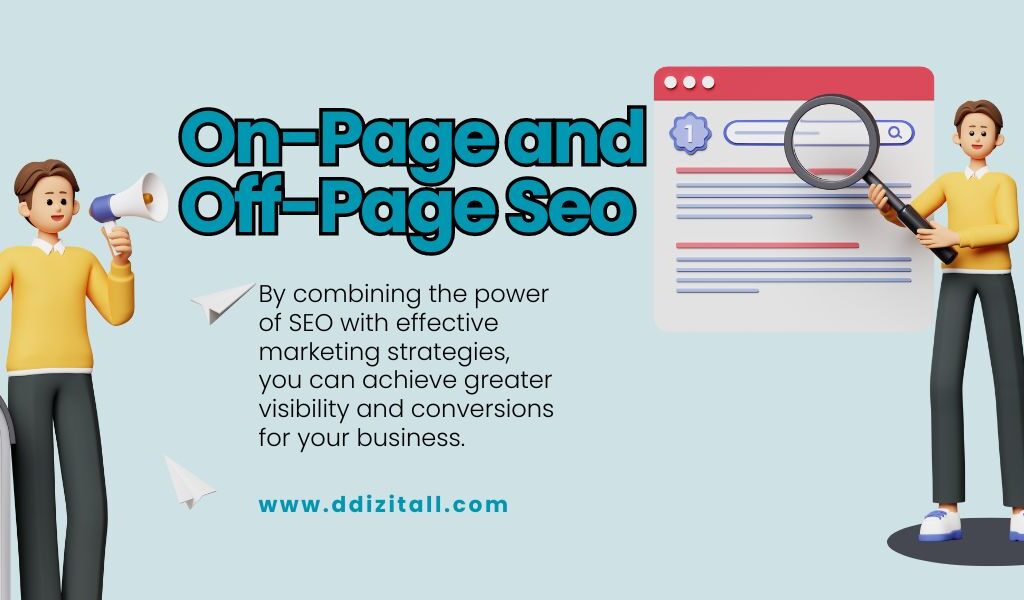
The Best 7 Practices of On-page and Off-page SEO

on-page and off-page SEO

Introduction:

In the recent competitive digital landscape, a strong online presence is essential. SEO is your secret weapon to boost visibility, attract more visitors, and drive business growth. By mastering both on-page and off-page SEO, you can optimize your website for search engines and captivate your target audience. Discover proven strategies to enhance your website’s performance, from crafting compelling content to building valuable backlinks. Whether you’re a seasoned SEO pro or just starting, this guide will equip you with the knowledge to climb search engine rankings and achieve online success.

The importance of addressing both On-page and Off-page SEO lies in their combined impact on enhancing your website’s search engine visibility. However On-page SEO is the foundation for optimizing your website, directly influencing your search engine rankings. This optimization encompasses various crucial elements, such as keywords, title tags, meta tags, ensuring site accessibility, improving page speed, and crafting compelling and well-structured content. The malleable nature of on-page SEO allows for real-time adjustments and improvements.

Key SEO factors include:

Content Excellence: In the vast landscape of online content, attracting search engine attention and indexing demands superior content quality. To stand out and invite Google’s indexing, your content should possess the following attributes:

  1. Readability: Content must be easy for users to understand.
  2. Organizational Clarity: Information should be logical and clearly presented.
  3. Freshness: Regular updates maintain relevance and interest.
  4. Uniqueness: Unique content sets you apart from duplicates.
  5. Adherence to E-A-T Principles: Aligning with Expertise, Authoritativeness, and Trustworthiness guidelines, bolsters credibility.
  6. Problem-Solving Focus: Content should prioritize providing valuable solutions to user queries.

Balancing On-page and Off-page SEO strategies ensures a holistic approach to optimizing the online presence, fostering higher search engine rankings, and ultimately attracting more organic traffic.

Off-page SEO:

URL: The URL of a website holds limited influence as a ranking factor. It is not something to overly concern yourself with. Moreover, Well-structured URLs improve search engine visibility, enhance user experience, and bolster other search engine optimization tactics. Crafting clear, concise, and keyword-rich URLs is essential for optimal search engine performance.

Page Title: Page titles holds a relatively minor ranking significance. However, search engines employ them to gain better insights into your page’s content and your website’s alignment within the digital landscape. Some considerations include:

  • Creating a captivating and accurate title.
  • Incorporating the target keywords within 55-60 characters.
  • Embedding the target keyword into the title.

Meta Description: While not a ranking factor, a well-crafted meta description plays a vital role in Click-Through Rate (CTR). In short Meta descriptions are crucial for boosting visibility and user engagement. While they do not directly impact search rankings, they significantly influence click-through rates. By crafting compelling and informative meta descriptions, you can entice users to click on your search results, ultimately contributing to your overall SEO success.

Internal Links: Internal links connect different pages within your website. This facet carries substantial ranking weight. Google utilizes internal links in the following ways:

  • Transmitting link authority across your pages, enhancing others.
  • Uncovering new pages, charting a crawl path.
  • Enhancing understanding of a page’s context.

Search Engine optomization:

ddigitall

Off-page search engine optimization significantly influences Google ranking directly and contributes to greater visibility and organic clicks.

Backlinks: Backlinks stand as the cornerstone of Google’s Page Ranking, evaluating the “value of a page. Moreover “Backlinks reflect your page’s credibility based on both quantity and quality of linked pages.

  • Authority: Backlinks are akin to votes, where pages with more votes wield more strength.
  • Relevance: High-quality backlinks from relevant websites are crucial.
  • Anchor Text: The context of the target page is conveyed through internal links and backlink anchor text.
  • Placement: Links within content and higher on a page gain more click-throughs and authority.
  • Destination: Links bolster ranking prospects, spreading equity to other pages.
  • Social Media: Creating Social media link
  • Profile Creation: Profile creation is also important factor for search engine optimization.

In conclusion, both of these two factors facets intricately contribute to a comprehensive approach for bolstering online visibility, search rankings, and organic traffic. To achieve top search engine rankings and a robust online presence, both of these two factors are indispensable. On-page search engine optimization involves optimizing your website’s content, structure, and technical elements to enhance user experience and search engine visibility. By refining keywords, crafting compelling meta tags, and improving page load speed, you create a foundation for success.

Off-page search engine optimization complements on-page efforts by building your website’s authority and credibility. Acquiring high-quality backlinks, engaging in social media, and managing online reputation are crucial for establishing trust with search engines. This external validation significantly impacts your search rankings.

A holistic search engine optimization strategy combines these elements to drive organic traffic and to gain business goals. Remember, SEO is an ongoing process that requires adaptation to algorithm changes and evolving search trends. By consistently implementing and refining your search engine optimization tactics, you can position your website for long-term success in the competitive digital landscape.

ddizitall

FAQ

What is search engine optimization?

Search Engine Optimization, is the practice of improving a website’s visibility on search engines like Google. It involves a combination of strategies to increase organic (non-paid) traffic to your site.  SEO is an evolving process. Continuously adapt your strategy to stay ahead of search engine changes. By optimizing your website and building a strong online presence, you can attract more visitors and drive business growth.

How long should the meta description be?

The ideal length for a meta description is typically between 150 to 160 characters. This range ensures that your meta description is fully displayed in search engine results without being cut off, providing a clear and concise summary of your page’s content.

How many posts are necessary for website ranking?

The number of posts required for a website ranking in search engine results can vary widely and depends on many factors, including the competitiveness of the niche, keyword research, the quality and relevance of the content, the site’s overall SEO strategy, and moreover the domain’s existing authority. There isn’t a specific number of posts that guarantees a website will rank, but here are some considerations to keep in mind like Quality Over Quantity, Content Consistency, Targeting Keywords and Topics, Domain Authority and Backlinks, User Engagement Metrics, Competitive Landscape, Technical SEO and Site Structure

What is the importance of images in SEO?

Images are essential for SEO. They improve user experience, boost visibility in image search, and enhance overall website performance. Optimizing images with alt text, correct file formats, and fast load times can significantly impact search rankings.

What kind of backlinks should I use for a blog post?

Prioritize ethical link building. Avoid low-quality links as they can harm your blog’s reputation. Focus on creating exceptional content that naturally attracts links and engage in outreach to build relationships with reputable websites in your niche.

What are guest post backlinks?

Guest posting on reputable blogs builds backlinks and expands your audience. Write valuable, relevant content to attract readers and gain exposure.

These are links that naturally fit within the content of another website. They are often given when your blog post provides valuable, authoritative information that another site wants to reference. Editorial backlinks are highly valuable because they are typically earned based on the merit of your content.

What are the two types search engine optimization?

  • On-Page SEO focuses on optimizing individual web pages for better search engine rankings. This includes elements like keyword research, content creation, and technical adjustments.
  • Off-Page SEO involves activities outside your website to improve its search engine ranking. Building quality backlinks, social media engagement, and online reputation management are key components.

Why is search engine optimization Important?

SEO is essential for businesses to increase online visibility, attract more visitors, and generate leads or sales. By ranking higher in search results, you can reach a wider audience and gain a competitive edge.

What are the Key Factors of search engine optimization?

  • Content: Create high-quality, relevant, and engaging content that answers user queries.
  • Keywords: Research and use relevant keywords strategically throughout your content.
  • Meta Tags: Write compelling title tags and meta descriptions to entice clicks.
  • Headings: Use clear and descriptive headings (H1, H2, etc.) to structure content.
  • URL Structure: Create clean and descriptive URLs for better readability and SEO.
  • Image Optimization: Optimize images with descriptive alt text and proper file names.
  • Internal Linking: Connect related pages within your website to improve navigation and SEO.

What are Effective SEO or search engine optimization Strategies?

  • Link Building: Acquire high-quality backlinks from reputable websites.
  • Social Media Marketing: Engage with your audience on social platforms to increase brand awareness.
  • Content Promotion: Share valuable content to attract backlinks and social shares.
  • Online Directories: List your business in relevant online directories.
  • Local SEO: Optimize your website for local search results if applicable.

What is the importance of Combining search engine optimization?

Importance of On-page and off-page SEO For optimal results, it’s crucial to combine. On-page optimization lays the foundation for a strong website, while off-page activities build authority and trust.

How Long Does SEO Take?

SEO is a long-term strategy. Seeing significant results can take several months, as search engines take time to re-index and rank websites. Consistency and patience are key.

What should be the blog post length for a good SEO score?

There is no one-size-fits-all answer to the ideal blog post length for SEO. It is necessary to provide comprehensive, high-quality content that meets the needs of your audience and aligns with SEO best practices. Regularly updating and expanding existing posts can also help maintain and improve their SEO performance over time.

Is SEO or search engine optimization a One-Time Effort?

No, search engine optimization is an ongoing process. Search engine algorithms evolve, and competition changes. Continuously monitoring, updating, and adapting your search engine optimization strategy is essential for sustained success.

Profile creation for seo

For SEO: 4 Most Important Reasons of Profile Creation

In this blog, we are going to explore Profile creation for SEO and is a vital component of a successful Search Engine Optimization (SEO) strategy. It offers numerous benefits that empower businesses to enhance their online presence and reach their target audience effectively. Let’s explore the advantages of profile creation in SEO:

4 Most Important Reasons of Profile Creation
  1. Establishing Credibility: By creating profiles on various websites, businesses can build credibility with potential customers. Sharing valuable and relevant information about their services and industry expertise allows them to showcase their authority and engage with their audience directly.
  2. Building Brand Awareness: Profile creation for SEO helps businesses increase brand awareness. Through these profiles, they can share content, interact with customers, and foster relationships, ultimately expanding their online reach and visibility.
  3. Improving Search Engine Visibility: Creating optimized content on these profiles aids businesses in improving their visibility in search engine results. With the right approach, businesses can enhance their search engine rankings, leading to greater organic traffic.
  4. Driving Website Traffic: Profile creation can significantly boost website traffic. By sharing engaging content and connecting with potential customers, businesses can attract more visitors to their websites, ultimately increasing their chances of conversions.

11 key steps for Creating a good and eye-catching profile website for good SEO Score:

1. Define Your Purpose and Audience

Identify Your Goals: Determine what you want to achieve with your website (e.g., showcase your portfolio, attract clients, share your blog).

Know Your Audience: Understand who your target audience is and what they are looking for in a profile website.

2. For Creating Profile Website Choose a Domain Name

Keep It Simple: Choose a domain name that is easy to remember, spell, and type for creating profile website.

Reflect Your Brand: It is important to ensure the domain name aligns with your personal or professional brand.

3. Select a Hosting Provider

Reliability and Speed: Choose a hosting provider known for reliability and fast loading times.

Customer Support: Opt for a provider with excellent customer service.

4. Pick a Website Builder or CMS

User-Friendly: Select a platform that is easy to use, such as WordPress, Wix, or Squarespace.

Customization Options: Ensure the platform offers the flexibility to customize your site to match your brand.

5. Design Your Website

Choose a Template: Start with a clean, modern template that suits your style and industry.

Consistent Branding: Use consistent colors, fonts, and imagery that reflect your personal or professional brand.

Responsive Design: Make sure your website looks good on all devices (desktops, tablets, smartphones).

6. Create Key Pages

Home Page: Introduce yourself, highlight key achievements, and provide a brief overview of what visitors can find on your site.

About Page: Share your story, background, and values. Include a professional photo.

Portfolio Page: Showcase your work with high-quality images, descriptions, and links.

Blog (Optional): Share your thoughts, insights, and industry knowledge.

Contact Page: Provide a contact form, email address, and links to your social media profiles.

7. Optimize The Website for profile creation

Keyword Research: Identify relevant keywords and integrate them naturally into your content.

Meta Tags: Write compelling meta titles and descriptions for each page.

Alt Text for Images: Use descriptive alt text for all images to improve accessibility and search engine optimization.

8. Add Interactive Elements

Calls to Action (CTAs): Encourage visitors to take specific actions, such as contacting you or viewing your portfolio website.

Social Media Integration: Link to your social media profiles like, Quora, LinkedIn and add share buttons.

Testimonials: Include testimonials from clients or colleagues to build credibility.

9. Test and Launch

Proofread Content: Check for spelling and grammar and other errors.

Functionality Testing: Double check and ensure all links, forms, and interactive elements work correctly.

Responsive Testing: Verify the website looks good and functions well on different devices and browsers.

10. Promote Your Website

SEO: Continuously optimize your site for search engines to improve visibility.

Social Media: Share your website on your social media platforms.

Networking: Include your website link in your email signature and business cards.

11. Maintain and Update

Regular Updates: Keep your content fresh and up-to-date.

Security: Implement security measures to protect your site from threats.

Analytics: Monitor your website’s performance using tools like Google Analytics and make adjustments as needed.

By following these steps, you can create a profile website that not only looks great but also effectively communicates your personal or professional brand, helping you achieve your goals.

4 Most Important Reasons of Profile Creation

Conclusion

In conclusion, profile creation plays a pivotal role in strengthening a business’s Search engine optimization. It offers a valuable platform for customer engagement, content sharing, and credibility establishment. By leveraging these advantages, \businesses can elevate their brand’s online presence, boost traffic, and attain success in the digital landscape.